
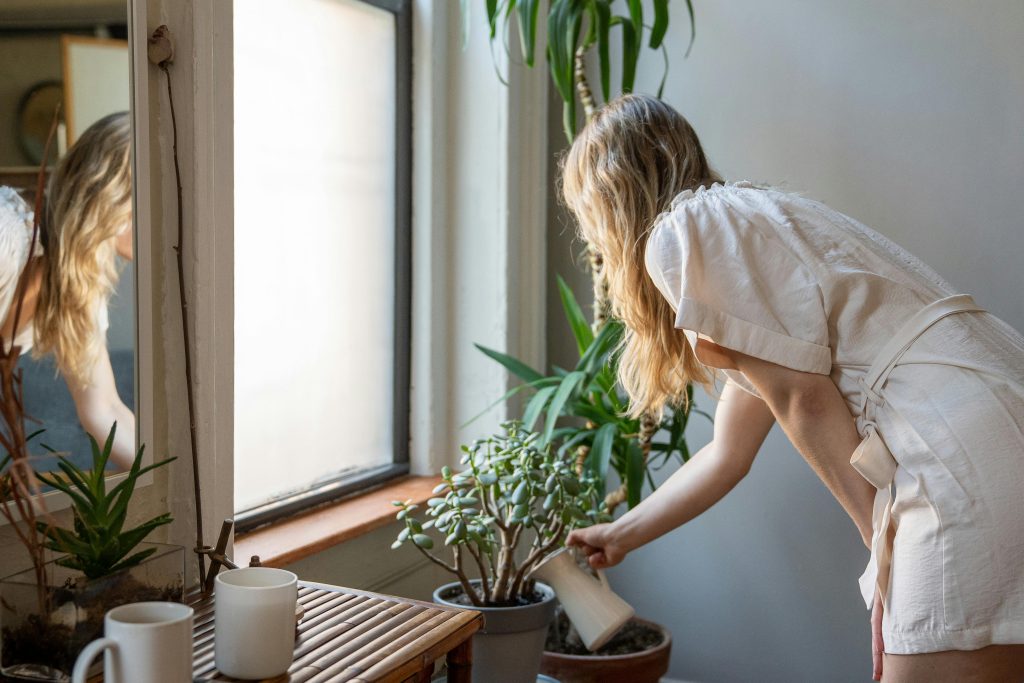
Bringing home your first indoor plant feels exciting. You place it near a sunny window, water it carefully, maybe even give it a cute ceramic pot, and imagine your space turning into a calm green sanctuary. Then suddenly the leaves start turning yellow, the stems droop, or the plant slowly gives up entirely while you stand there confused with a watering can in hand.
I’ve been there more times than I’d like to admit.
The truth is, most beginner plant problems don’t happen overnight. Indoor plants usually decline slowly because of small care mistakes repeated over time. The good news? Once you understand what plants actually need, keeping them alive becomes much easier.
Here are the most common indoor plant mistakes beginners make — and how to avoid them before your favorite leafy friend ends up beyond saving.
1. Watering on a Schedule Instead of Checking the Soil
One of the biggest beginner mistakes is treating plants like alarm clocks. A lot of people water every Sunday because they think consistency equals healthy plants. Unfortunately, plants don’t work that way.
Different plants use water at different speeds depending on sunlight, humidity, season, temperature, and pot size. A pothos sitting near a bright window may dry out quickly, while a snake plant in a darker corner may stay damp for weeks.
Overwatering is actually more dangerous than underwatering for many indoor plants. Constantly wet soil suffocates roots and leads to root rot, which is one of the fastest ways to kill a houseplant slowly and quietly.
Instead of following a strict calendar, check the soil first. Push your finger about one or two inches into the soil. If it still feels moist, wait a few more days. If it feels dry, it’s probably time to water.
A moisture meter can also help beginners feel more confident, especially with plants that are sensitive to overwatering.

Another mistake is giving tiny sips of water instead of watering thoroughly. Light watering only wets the top layer while roots deeper down stay dry. When you water, do it fully until excess water drains out from the bottom of the pot.
Most plants recover from occasional underwatering. Root rot from chronic overwatering is much harder to fix.
2. Putting Every Plant in Direct Sunlight
Many beginners hear that plants need sunlight and immediately place every plant directly in front of the brightest window in the house. While that sounds logical, too much direct sunlight can burn leaves surprisingly fast.
Not all indoor plants want intense sun exposure. Popular beginner plants like pothos, peace lilies, philodendrons, and ZZ plants actually prefer bright indirect light rather than harsh afternoon sun.
You can usually tell a plant is getting scorched when leaves develop crispy brown patches, faded colors, or curled edges. Some plants even stop growing because the light becomes too intense.
Understanding light levels makes a huge difference in plant care:
- Low light: farther from windows or dim corners
- Bright indirect light: near windows without harsh direct rays
- Direct light: several hours of strong sunlight hitting leaves directly
South-facing windows typically provide the strongest light, while north-facing windows are gentler. East-facing windows often work beautifully for many indoor plants because morning sunlight is softer.
Before buying a plant, look up its natural environment. Plants that grow under rainforest canopies usually prefer filtered light rather than blazing sun.
If your home lacks natural light, don’t panic. Grow lights can completely change the game, especially during darker seasons or in apartments with limited windows.
3. Using Pots Without Drainage Holes
Decorative pots are everywhere now, and many beginners choose containers based purely on appearance. The problem is that pots without drainage holes trap excess water at the bottom, creating a swampy environment around the roots.
Even if the top soil looks dry, water may still be sitting below where you can’t see it.
Roots need oxygen just as much as they need moisture. Without proper drainage, roots stay constantly wet and begin rotting over time. Once root rot spreads, leaves yellow, stems soften, and growth slows dramatically.
Drainage holes allow excess water to escape so the soil doesn’t stay saturated for too long.
If you love decorative pots without holes, use them as cachepots instead. Keep your plant in a smaller nursery pot with drainage and place that pot inside the decorative container. That way you get the aesthetic without harming the plant.
Another overlooked detail is saucers underneath pots. Empty standing water after watering sessions instead of letting the plant sit in it for hours.
Beginners often assume dying leaves mean the plant needs more water, which unfortunately worsens the problem when poor drainage is already causing root damage.
Healthy roots are the foundation of a healthy plant. Protecting them should always come first.
4. Ignoring Humidity Levels Indoors
Indoor air can become extremely dry, especially in homes with air conditioning or heaters running constantly. While humans might not notice much, tropical houseplants absolutely do.
Many popular indoor plants originally come from humid rainforest environments where moisture constantly surrounds the leaves. When humidity drops too low, plants begin showing signs of stress.
Common symptoms include:
- Brown crispy leaf tips
- Curling leaves
- Slow growth
- Drooping foliage
- Dry edges despite regular watering
Plants like calatheas, ferns, prayer plants, and peace lilies are especially sensitive to dry air.

One easy fix is grouping plants together. Plants naturally release moisture into the air, so clustering them creates a slightly more humid microclimate.
You can also:
- Use a humidifier nearby
- Place pebble trays with water beneath pots
- Keep plants away from heating vents
- Mist selectively for humidity-loving plants
Bathrooms with windows can actually become amazing plant spaces because showers naturally increase humidity.
Humidity is one of those invisible plant care details beginners often overlook completely, but it can make a dramatic difference in how healthy indoor plants look over time.
5. Repotting Too Often or Into Pots That Are Too Large
When beginners see roots poking out or want their plants to grow faster, they sometimes move plants into giant pots thinking more space equals better growth.
Unfortunately, oversized pots can create major problems.
When there’s too much soil around a small root system, the soil stays wet much longer than the plant can handle. Excess moisture lingers around the roots and increases the risk of root rot.
Plants generally prefer being only slightly larger than their root ball. A pot that’s one or two inches wider than the current pot is usually enough.
Repotting itself can also stress plants. Some plants go through temporary transplant shock after being moved, especially if roots are disturbed heavily.
Signs a plant truly needs repotting include:
- Roots circling tightly around the pot
- Water draining extremely fast
- Stunted growth
- Soil drying out unusually quickly
- Roots emerging from drainage holes
Otherwise, your plant may actually be perfectly happy staying where it is for a while longer.

Another overlooked factor is soil type. Indoor plants are not all suited for the same generic potting mix. Succulents need faster-draining soil, while tropical plants often prefer mixes that retain some moisture while still staying airy.
Healthy roots need both moisture and airflow. The right pot size helps maintain that balance.
6. Forgetting to Clean Plant Leaves
Dust doesn’t just collect on furniture. It also settles on plant leaves over time, especially indoors.
This may seem harmless, but dusty leaves can actually block sunlight and interfere with photosynthesis. Plants use their leaves to absorb light efficiently, and thick dust layers reduce that ability.
Dirty leaves can also attract pests more easily and make it harder to notice early signs of trouble like spider mites or fungal spots.
Cleaning leaves is simple:
- Use a damp microfiber cloth
- Gently wipe large leaves individually
- Rinse smaller plants in lukewarm water occasionally
- Avoid harsh leaf shine sprays
Plants with broad leaves like monstera, rubber plants, and peace lilies especially benefit from regular cleaning.
Besides improving plant health, clean leaves instantly make indoor plants look more vibrant and glossy.
This is one of those small maintenance habits that experienced plant owners do regularly but beginners rarely think about.

While cleaning, take a few extra seconds to inspect the undersides of leaves for pests. Catching infestations early is much easier than trying to rescue a severely damaged plant later.
7. Expecting Every Plant to Thrive in the Same Environment
A cactus and a fern may both technically be indoor plants, but their care needs are completely different.
One of the fastest ways beginners lose plants is assuming all houseplants want identical treatment.
Succulents generally prefer:
- Bright direct light
- Less frequent watering
- Fast-draining soil
- Lower humidity
Meanwhile tropical plants often prefer:
- Bright indirect light
- Consistent moisture
- Higher humidity
- Richer soil mixes
Trying to care for every plant the same way usually leads to frustration.
This is why beginner-friendly plants matter so much. Some species are naturally forgiving and adapt well to average indoor conditions. Others are dramatic and sensitive even for experienced plant owners.
Good beginner plants include:
- Snake plants
- Pothos
- ZZ plants
- Spider plants
- Philodendrons
- Cast iron plants
More advanced plants like calatheas or fiddle leaf figs often require more attention to humidity, lighting, and consistency.
The easiest way to succeed with indoor plants is to learn each plant individually instead of searching for one universal care routine.
Once you understand your plant’s natural habitat, its needs become much more predictable.
Plants communicate constantly through their leaves, color, and growth patterns. The more you observe them, the easier plant care becomes.
Indoor gardening has a learning curve for everyone. Almost every experienced plant owner has accidentally overwatered something, ignored a humidity issue, or fried a leaf in direct sun at some point. The key difference is simply learning from those mistakes before they become habits.
Start with a few resilient plants, pay attention to how they respond to your space, and adjust slowly. You don’t need a perfect green thumb to grow healthy indoor plants — just a little observation, patience, and willingness to adapt.