
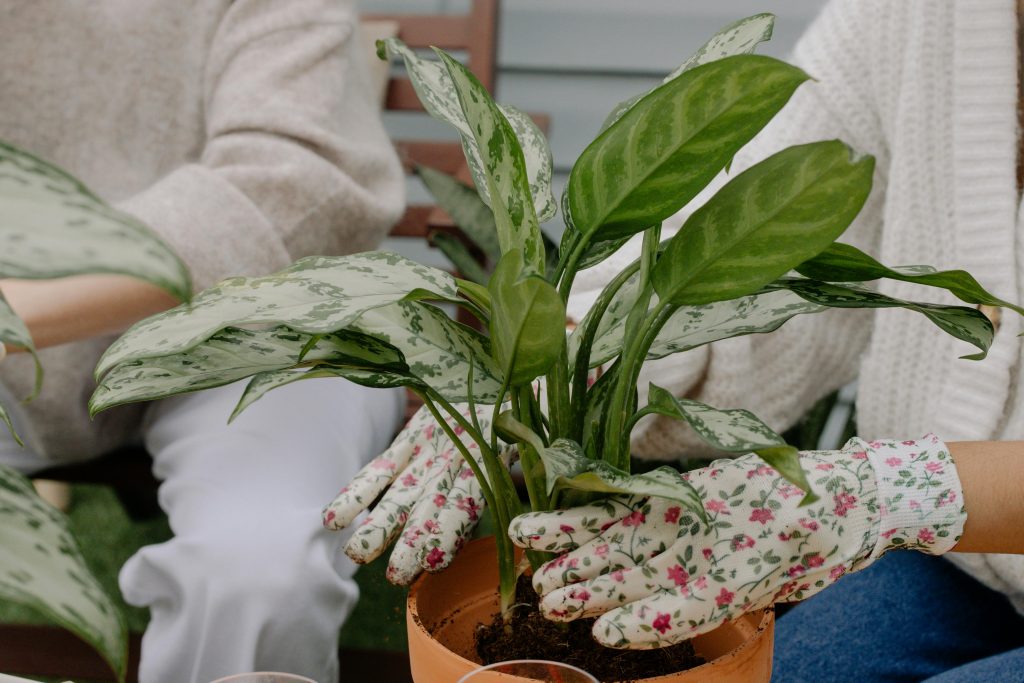
Indoor plants can completely change the feel of a room. They make a space look calmer, fresher, and more inviting. But even the prettiest houseplants have a way of letting us know when something is wrong. The tricky part is figuring out what they’re trying to say before it’s too late.
I’ve definitely learned this the hard way. I used to assume watering more would solve every plant problem, but many struggling plants actually need less water, better light, or even a different spot in the house. Once you know the signs, though, plant care becomes much easier and far less stressful.
If your favorite houseplant suddenly looks droopy, yellow, crispy, or just “off,” here are the most common warning signs to watch for — plus exactly how to fix each one.
1. Yellow Leaves That Keep Spreading
One yellow leaf every now and then is normal, especially for older growth. But when multiple leaves start turning yellow quickly, your plant is trying to tell you something.
Overwatering is the most common reason. Soggy soil prevents roots from getting oxygen, which eventually causes root rot. On the other hand, underwatering can also cause yellowing if the plant has been dry for too long.
The first thing I do is check the soil with my finger. If it feels wet several inches down, stop watering for a while. If it’s bone dry, give the plant a deep watering and let excess water drain out completely.
Also make sure your pot has drainage holes. Decorative pots without drainage are one of the fastest ways to accidentally kill a healthy plant.
Plants like pothos, monstera, and peace lilies are especially vocal about watering mistakes, so yellow leaves usually appear early.
Quick Fix
- Check soil moisture before watering
- Remove yellow leaves
- Improve drainage
- Water only when the top inch of soil feels dry

2. Brown Crispy Leaf Edges
Brown edges usually mean your plant is too dry. This can happen from underwatering, low humidity, or even harsh tap water with too many minerals.
I notice this most during colder months when heaters dry out indoor air. Tropical plants like calatheas, ferns, and prayer plants hate dry air and react dramatically with crispy edges.
A small humidifier can help a lot, but grouping plants together also increases humidity naturally. You can also place a tray with pebbles and water beneath the pot.
If tap water is the issue, try filtered or distilled water for sensitive plants.
Quick Fix
- Increase humidity
- Water consistently
- Trim brown edges with clean scissors
- Avoid placing plants near heaters or AC vents
3. Drooping Leaves Even After Watering
A droopy plant doesn’t always mean it’s thirsty. Sometimes it’s actually drowning.
When roots sit in constantly wet soil, they weaken and stop absorbing water properly. The leaves droop because the damaged roots can’t support the plant anymore.
If watering doesn’t improve drooping within a day, gently slide the plant out of the pot and inspect the roots. Healthy roots are white and firm. Mushy brown roots are a sign of root rot.
You may need to trim damaged roots and repot the plant in fresh, well-draining soil.
Quick Fix
- Check roots for rot
- Repot in fresh soil if needed
- Reduce watering frequency
- Improve airflow around the plant
4. Pale or Faded Leaves
When leaves lose their rich green color, insufficient light is often the culprit.
Many people underestimate how much light indoor plants actually need. Even “low-light plants” still require some consistent brightness to stay healthy.
Move the plant closer to a bright window, preferably one with indirect sunlight. South- or east-facing windows usually work best for most houseplants.
If your home doesn’t get much natural light, grow lights can make a huge difference. I’ve revived several struggling plants this way.
Quick Fix
- Move closer to natural light
- Rotate the plant weekly
- Clean dusty leaves so they absorb more light
- Add a grow light if necessary

5. Leaves Falling Off Suddenly
Leaf drop can look dramatic, but plants often recover once the stress is corrected.
Sudden environmental changes are a common trigger. Moving a plant to a new room, temperature swings, cold drafts, or inconsistent watering can all cause leaves to fall.
Fiddle leaf figs are especially notorious for throwing a tantrum after being moved even a few feet.
Try to keep your plant’s environment stable. Avoid placing plants near doors, vents, or drafty windows.
Quick Fix
- Keep temperature stable
- Avoid frequent relocation
- Water consistently
- Check for cold drafts
6. Stems Becoming Long and Leggy
Leggy growth means your plant is stretching toward light.
The stems become thin, weak, and widely spaced because the plant is searching for a brighter environment. This happens often with succulents and trailing plants kept too far from windows.
Pruning leggy growth encourages fuller growth, but you’ll also need to improve lighting conditions or the problem will continue.
Quick Fix
- Move plant closer to brighter light
- Prune stretched stems
- Rotate the pot regularly
- Use grow lights during darker seasons
7. Tiny Bugs Around the Plant
Fungus gnats, spider mites, mealybugs, and aphids are all common indoor plant pests.
Fungus gnats usually appear when soil stays too wet for too long. Spider mites thrive in dry conditions and often leave tiny webbing on leaves.
The earlier you catch pests, the easier they are to eliminate.
I usually start by isolating the affected plant so the bugs don’t spread. Then I wipe leaves with diluted neem oil or insecticidal soap.
Quick Fix
- Isolate infected plants
- Remove damaged leaves
- Use neem oil or insecticidal soap
- Let soil dry slightly between waterings

8. Mold on the Soil Surface
White fuzzy mold on soil looks alarming, but it’s usually fixable.
This often happens when airflow is poor and soil stays wet too long. While small amounts of mold may not immediately harm the plant, it’s a sign conditions need adjusting.
Scrape away the top layer of moldy soil and replace it with fresh dry soil. Then improve airflow and reduce overwatering.
You can also sprinkle a little cinnamon on the soil surface since it has mild antifungal properties.
Quick Fix
- Remove moldy topsoil
- Increase airflow
- Water less frequently
- Use well-draining soil
9. Curling Leaves
Leaves curl for several different reasons, including underwatering, heat stress, pests, or too much direct sunlight.
Check the soil first. If it’s extremely dry, underwatering is likely the issue. If the plant sits in harsh afternoon sun, the leaves may curl to protect themselves from heat.
Inspect the undersides of leaves carefully for pests too.
Quick Fix
- Adjust watering schedule
- Move away from harsh direct sun
- Check for pests
- Increase humidity if air is dry
10. Black Mushy Stems
This is one of the clearest signs of severe overwatering or rot.
Black stems usually mean the plant tissue is dying from excessive moisture. Unfortunately, once rot spreads far enough, recovery becomes difficult.
If only part of the plant is affected, cut away all damaged areas using sterilized scissors. Repot the healthy section into dry, fresh soil.
Quick Fix
- Remove rotted sections immediately
- Repot into dry soil
- Use a pot with drainage
- Reduce watering dramatically

11. White Crust on Soil or Pots
A white crusty buildup often comes from mineral deposits in tap water or excess fertilizer salts.
Over time, these salts collect in the soil and can damage roots. Sensitive plants may start browning or growing poorly because of it.
Flush the soil occasionally by watering deeply until water drains freely from the bottom. This helps wash out excess salts.
You may also want to reduce fertilizer use or switch to filtered water.
Quick Fix
- Flush soil thoroughly
- Reduce fertilizer frequency
- Use filtered water if possible
- Remove visible salt buildup
12. No New Growth for Months
If your plant looks frozen in time, something in its environment probably isn’t meeting its needs.
The most common causes are insufficient light, nutrient deficiencies, root-bound pots, or seasonal dormancy.
First, consider the season. Many plants naturally slow growth during winter. But if it’s growing season and nothing is happening, your plant may need brighter light or fresh nutrients.
Check whether roots are circling tightly inside the pot. If so, it’s time to repot into a slightly larger container.
Quick Fix
- Increase light exposure
- Fertilize during growing season
- Repot if root-bound
- Be patient during winter dormancy

Indoor plants rarely decline without warning. Most problems start with small signals like yellowing leaves, drooping stems, or slowed growth. Once you learn how to read those signs, plant care becomes much more intuitive.
The good news is that most struggling houseplants can recover surprisingly well with a few simple adjustments. Better light, smarter watering habits, improved drainage, and more stable conditions can completely transform an unhappy plant.
And honestly, even experienced plant owners lose a plant now and then. That’s part of learning. Every struggling leaf teaches you something new about what your plants actually need.