
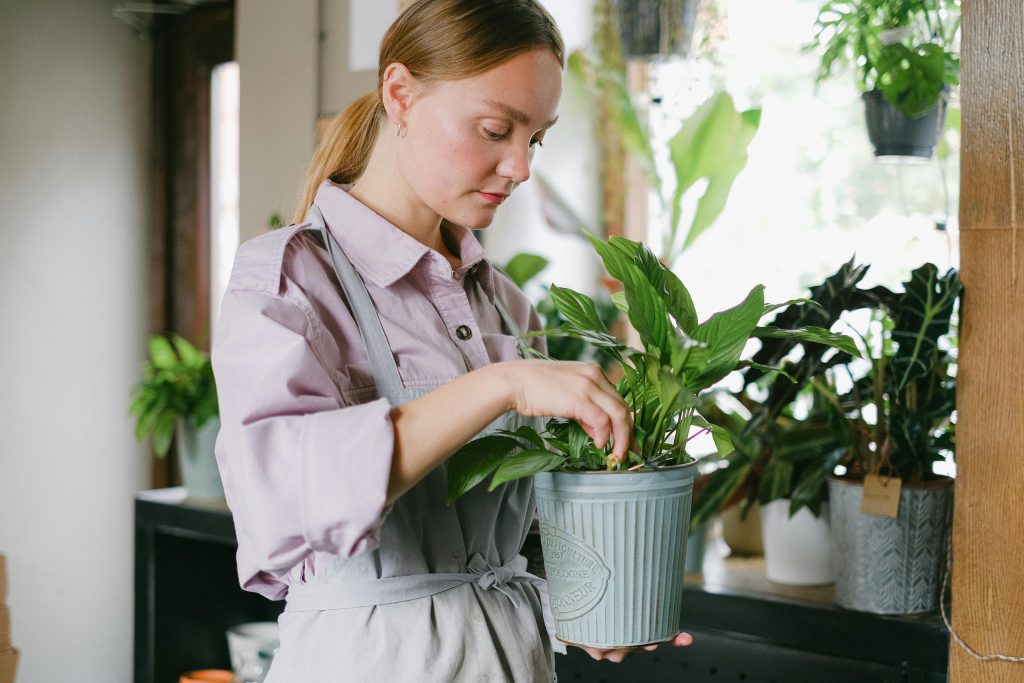
Not every home is filled with huge sunny windows and bright natural light all day long. Some rooms feel dim no matter what you do, especially apartments, offices, bathrooms, and corners far from windows. The good news is that plenty of indoor plants genuinely thrive in lower light conditions — and many of them are surprisingly easy to care for.
I used to think indoor plants only survived in bright, sun-soaked spaces until I started experimenting with low light varieties in darker rooms around my home. Some plants struggled immediately, but others adapted beautifully and kept growing with very little effort.
The key is choosing plants that naturally evolved in shaded forest floors or tropical understories where direct sunlight rarely reaches them. These plants are built for lower light and often prefer it.
If you want greenery without constantly worrying about sunlight, these are some of the best indoor plants for low light rooms that truly hold up over time.
1. Snake Plant
The Snake Plant is probably one of the toughest houseplants you can own. It tolerates neglect, inconsistent watering, dry air, and low light better than almost any other indoor plant.
Its upright sword-like leaves make it perfect for bedrooms, offices, and darker corners where many plants struggle. While snake plants grow faster in brighter indirect light, they still survive impressively well in dim spaces.
One reason beginners love them is that they rarely need attention. You can forget to water them for weeks, and they’ll usually remain perfectly fine.
The biggest mistake people make with snake plants is overwatering. Because they store water in their thick leaves, they prefer soil to dry out fully between waterings.

Snake plants also fit beautifully into modern decor because of their sculptural shape and clean lines. If you want a nearly indestructible low-light plant, this is one of the safest choices you can make.
2. ZZ Plant
The glossy leaves of the ZZ Plant almost look fake because they stay so shiny and healthy-looking with minimal effort.
ZZ plants are famous for tolerating low light incredibly well. In fact, harsh direct sun can actually scorch their leaves. They’re perfect for offices, hallways, bedrooms, or apartments with limited natural light.
Another reason people love ZZ plants is their drought tolerance. Their underground rhizomes store water efficiently, allowing them to survive missed watering sessions much better than thirstier plants.
The dark green leaves also help brighten gloomy corners without needing constant maintenance.

If you’re someone who travels often or forgets plant care routines, a ZZ plant can handle that lifestyle surprisingly well.
3. Pothos
The Pothos is one of the easiest trailing plants for beginners. Its long cascading vines instantly make shelves, desks, and hanging planters feel more alive.
Pothos adapts well to lower light conditions, though variegated varieties may lose some leaf patterning in darker rooms. Even so, the plant itself usually continues growing steadily.
One reason pothos remains so popular is how forgiving it is. Miss a watering? It recovers quickly. Forget fertilizer for months? It keeps growing anyway.
Its trailing vines can also be trained around walls, shelves, or moss poles for a fuller look indoors.
Pothos plants are especially great for renters because they adapt to different indoor environments easily.
4. Cast Iron Plant
The name says everything. The Cast Iron Plant earned its reputation because it tolerates difficult indoor conditions extremely well.
Low light? Fine. Dry air? Fine. Inconsistent watering? Usually still fine.
Its deep green arching leaves create a calm, elegant look without demanding much attention. Unlike fussier tropical plants, cast iron plants don’t collapse dramatically if conditions aren’t perfect.

This plant works especially well in older homes, apartments, or shaded rooms where sunlight is limited throughout the day.
Growth tends to be slow, but that’s actually a benefit for people who don’t want to repot frequently.
5. Peace Lily
The elegant white blooms of the Peace Lily make it one of the few low-light plants that also flowers indoors.
Peace lilies tolerate shade surprisingly well, though they typically bloom more often with brighter indirect light. Even without constant flowers, their glossy leaves remain beautiful year-round.
One interesting thing about peace lilies is how dramatically they communicate thirst. When they need water, the leaves droop visibly — then perk back up quickly after watering.

They do appreciate slightly higher humidity than some tougher plants, so bathrooms with windows often suit them perfectly.
6. Chinese Evergreen
The Chinese Evergreen is one of the most underrated indoor plants for low light spaces.
Its patterned leaves come in shades of green, silver, cream, pink, and even red depending on the variety. That colorful foliage helps brighten darker rooms where many plants look dull.
Chinese evergreens handle lower light levels better than many decorative foliage plants while still remaining relatively easy to maintain.
They also tolerate average indoor humidity fairly well, making them less demanding than tropical plants like calatheas.
7. Spider Plant
The arching leaves of the Spider Plant bring a soft, relaxed look to indoor spaces.
Spider plants adapt well to lower light, though they generally grow faster in moderate indirect light. They’re famous for producing baby offshoots called “spiderettes” that dangle from long stems.
These plants are incredibly beginner-friendly because they recover quickly from small mistakes.

Spider plants also look beautiful in hanging baskets where their leaves can spill naturally downward.
8. Philodendron
Many varieties of Philodendron thrive in lower light conditions, especially heartleaf philodendrons.
These plants have soft trailing vines and heart-shaped leaves that create a cozy indoor jungle feel without requiring intense sunlight.
Philodendrons are forgiving, adaptable, and relatively low-maintenance, which explains why they remain such classic houseplants.
They enjoy moderate watering and usually prefer soil that dries slightly between waterings.
Their trailing growth also makes them excellent for shelves or hanging planters.
9. Parlor Palm
The Parlor Palm has been a popular indoor plant since the Victorian era for a reason.
It tolerates lower indoor light beautifully while adding a soft tropical appearance to rooms. Unlike some palms that demand bright sun and high humidity, parlor palms adapt much more easily to normal homes.

Its feathery leaves help soften darker spaces and make rooms feel more inviting without overwhelming the decor.
10. Dracaena
There are many varieties of Dracaena, and several perform extremely well in lower light rooms.
Dracaenas often feature long striped leaves with interesting color variations that add height and texture indoors.
They’re relatively low-maintenance and prefer drying out slightly between waterings.
Because they grow upright, they work well in corners where floor plants are needed but sunlight is limited.
11. English Ivy
The trailing vines of English Ivy can bring a classic, cozy look to bookshelves, hanging baskets, and windowsills.
English ivy tolerates lower light fairly well, though it appreciates some indirect brightness for fuller growth.
Its cascading vines create beautiful movement indoors and can soften hard edges in rooms.

Regular trimming helps keep ivy dense and healthy indoors.
12. Lucky Bamboo
Technically not true bamboo, Lucky Bamboo is incredibly popular because of its low-maintenance nature and ability to grow in water.
Lucky bamboo performs very well in low to moderate indirect light and is often used in offices or desks where natural sunlight is limited.
Its sculptural stalks make it feel both decorative and calming indoors.
Just avoid direct sunlight, which can yellow the leaves quickly.
13. Maidenhair Fern
The delicate texture of the Maidenhair Fern makes it one of the prettiest indoor plants for shaded rooms.
That said, maidenhair ferns are a little more demanding than tougher low-light plants. They need consistent moisture and higher humidity to stay healthy.
Bathrooms with filtered light are often ideal.
When cared for properly, their soft airy foliage creates an incredibly calming atmosphere indoors.
14. Rubber Plant
The Rubber Plant adapts surprisingly well to moderate and lower light conditions, especially darker-leafed varieties.
Its thick glossy leaves make it feel bold and modern while still being relatively easy to maintain.
Rubber plants generally prefer stable conditions and moderate watering.
They can eventually grow quite tall indoors, making them excellent statement plants for living rooms or offices.
15. Bird’s Nest Fern
Unlike many ferns, the Bird’s Nest Fern has broad wavy leaves instead of delicate fronds.
It tolerates lower light conditions well and adds a lush tropical look to indoor spaces.
Bird’s nest ferns enjoy humidity and slightly moist soil but are generally easier than fussier fern varieties.

Its bright green leaves make darker corners feel fresher and more vibrant without needing intense sunlight.
Low light rooms don’t have to stay plant-free. Once you choose species naturally adapted to shade, indoor gardening becomes much less stressful and much more enjoyable.
The biggest secret is matching the plant to the environment instead of trying to force high-light plants to survive in dim spaces. Start with a few resilient options like snake plants, pothos, or ZZ plants, then branch out as your confidence grows.
Even darker rooms can feel calm, cozy, and alive with the right greenery in the right place.