
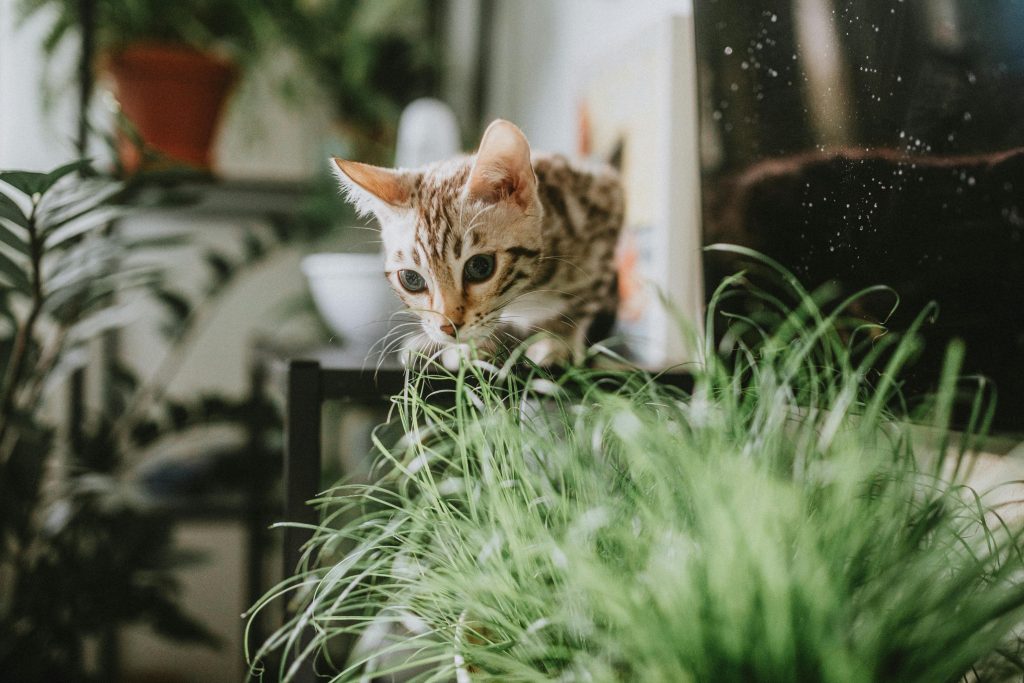
Bringing plants into your home can make a space feel calmer, fresher, and more alive—but if you have curious cats or playful dogs, plant shopping suddenly becomes a little more complicated. Many popular houseplants are unfortunately toxic to pets, and some can cause anything from mild stomach irritation to serious health problems if chewed or swallowed.
The good news is that there are still plenty of beautiful indoor plants that are considered pet-safe. You don’t have to choose between having greenery and keeping your pets protected. With the right plants, you can enjoy a cozy plant-filled home without constantly worrying every time your cat takes a bite of a leaf.
These pet-friendly indoor plants are not only safe for cats and dogs, but they also add texture, color, and personality to your home decor.
1. Spider Plant
The Spider Plant is one of the easiest and most beginner-friendly houseplants you can own. Its long arching green leaves with white stripes instantly brighten shelves, hanging baskets, or windowsills.
Spider plants are especially popular for pet owners because they’re considered non-toxic to both cats and dogs. Even if your cat decides to nibble the leaves occasionally, the plant generally won’t cause serious harm.
They’re also incredibly low-maintenance. Spider plants tolerate a range of lighting conditions and don’t need constant watering, making them perfect for busy households.
One thing to know is that some cats become obsessed with spider plants because the dangling leaves are fun to bat around. Hanging planters can help protect the plant while still letting it add greenery to your space.

2. Areca Palm
The Areca Palm gives homes a relaxed tropical look without creating danger for pets.
Its soft feathery fronds work beautifully in living rooms, corners, or bright office spaces where you want greenery that feels elegant but not overwhelming.
Areca palms also tend to grow fairly large indoors, making them excellent statement plants for people who want something dramatic without sacrificing pet safety.
They prefer bright indirect light and regular watering, though they’re generally forgiving once established.
Compared to some other palm varieties, the areca palm feels softer and lighter visually, which helps rooms feel airy and calm.
3. Calathea
Calathea plants are loved for their incredibly detailed leaves. Some varieties have deep green patterns, purple undersides, pink stripes, or dramatic feather-like markings that almost look painted.
They’re one of the best choices for pet owners who still want visually striking indoor plants.
Calatheas are considered safe for cats and dogs, making them ideal for homes with curious pets that explore every corner.
These plants do prefer humidity and consistent watering, so they sometimes require a little more attention than beginner plants. But their stunning appearance makes the extra care feel worth it.
Many people also love that calathea leaves gently move throughout the day in response to light changes, which gives them extra personality indoors.
4. Parlor Palm
The Parlor Palm has been a classic indoor plant for decades because it’s elegant, compact, and easy to care for.
Its soft green fronds work well with almost any decor style, from minimalist apartments to cozy traditional homes.
Parlor palms tolerate lower light conditions better than many other palms, making them especially practical for indoor living.
Pet owners also appreciate that they’re considered non-toxic to cats and dogs.
This plant creates a calm, relaxed atmosphere without demanding constant maintenance or bright sunlight.

5. Prayer Plant
The Prayer Plant is known for its beautiful patterned leaves and unique movement.
At night, the leaves gently fold upward, which is how the plant earned its name.
Prayer plants are safe for pets and add a colorful decorative touch to shelves, desks, or side tables.
Their leaves often feature combinations of green, red, cream, and pink tones that stand out beautifully against neutral interiors.
They prefer moderate humidity and indirect light, making them especially happy in bathrooms or kitchens with softer lighting.
6. Boston Fern
The Boston Fern brings soft texture and fullness into indoor spaces.
Its feathery green fronds create a classic lush look that works especially well in hanging baskets or elevated planters.
Boston ferns are pet-safe and help create cozy indoor environments that feel vibrant and natural.
They do best with regular moisture and humidity, so occasional misting helps keep them healthy and full.
Although ferns sometimes have a reputation for being difficult, Boston ferns become much easier to manage once you establish a watering routine.
7. African Violet
The African Violet is perfect for people who want flowering indoor plants without worrying about pet toxicity.
These compact plants produce soft purple, pink, white, or blue blooms that brighten windowsills and tabletops beautifully.
African violets stay relatively small, making them ideal for apartments or smaller spaces where larger plants might feel overwhelming.
They prefer bright indirect light and gentle watering, especially from the bottom to avoid damaging leaves.
One reason people love African violets is that they can bloom repeatedly throughout the year with proper care.

8. Peperomia
Peperomia plants are incredibly versatile because there are so many different varieties available.
Some have thick glossy leaves, while others feature rippled textures, trailing stems, or watermelon-like patterns.
Most peperomias remain compact, making them ideal for desks, bookshelves, or small apartments.
They’re also considered pet-safe, which makes them especially popular among cat owners.
Peperomias generally prefer indirect light and moderate watering, and many varieties tolerate occasional neglect surprisingly well.
9. Ponytail Palm
Despite its name, the Ponytail Palm is technically a succulent rather than a true palm.
Its long curling leaves and bulb-like trunk give it a playful sculptural appearance that works beautifully in modern interiors.
Ponytail palms are pet-safe and extremely low-maintenance, making them ideal for beginners or busy households.
Because they store water in their trunks, they tolerate infrequent watering much better than many traditional houseplants.
Their unusual shape also adds visual interest without requiring complicated care routines.
10. Bamboo Palm
The Bamboo Palm creates a lush tropical atmosphere indoors while remaining safe for pets.
Its tall green stems and soft leaves work especially well in corners or larger rooms where you want fuller greenery.
Bamboo palms are often recommended for indoor air quality improvement, though most people mainly love them for their calming appearance.
They prefer indirect light and slightly moist soil but generally adapt well to indoor conditions.
This plant feels elegant without being overly dramatic, which makes it easy to style in many different homes.

11. Baby Rubber Plant
The Baby Rubber Plant has thick glossy leaves that make it look polished and healthy year-round.
Unlike traditional rubber plants that can be toxic to pets, this peperomia variety is considered safe for cats and dogs.
Its compact size makes it perfect for shelves, side tables, or office desks.
Baby rubber plants are also fairly forgiving, handling moderate light and occasional missed waterings without much trouble.
Their shiny leaves help brighten indoor spaces while still looking clean and minimal.
12. Haworthia
If you love succulents but worry about pet safety, Haworthia is one of the best options.
These small spiky succulents resemble miniature aloe plants but are generally considered non-toxic to pets.
Haworthias are extremely low-maintenance and work beautifully in sunny windows, small planters, or minimalist spaces.
Because they stay relatively compact, they’re especially useful for apartments or desks where larger plants aren’t practical.
Their geometric shape also adds modern visual texture without needing much care.
13. Orchid
Many people are surprised to learn that Orchid plants are considered pet-safe.
Orchids instantly make indoor spaces feel elegant and elevated with their delicate blooms and sculptural stems.
Despite looking high-maintenance, many orchids are actually fairly manageable once you understand their watering and lighting needs.
Phalaenopsis orchids in particular are popular because they bloom beautifully indoors and adapt well to household conditions.
They’re perfect for adding a luxurious decorative touch while still keeping curious pets safe.
Creating a beautiful indoor plant collection doesn’t have to conflict with keeping your pets safe. With the right choices, you can enjoy lush greenery, colorful foliage, and elegant flowers without constantly worrying about toxic leaves or dangerous stems. These pet-friendly plants prove that indoor gardening can still feel stylish, calming, and full of personality while remaining safe for the furry members of your household.