
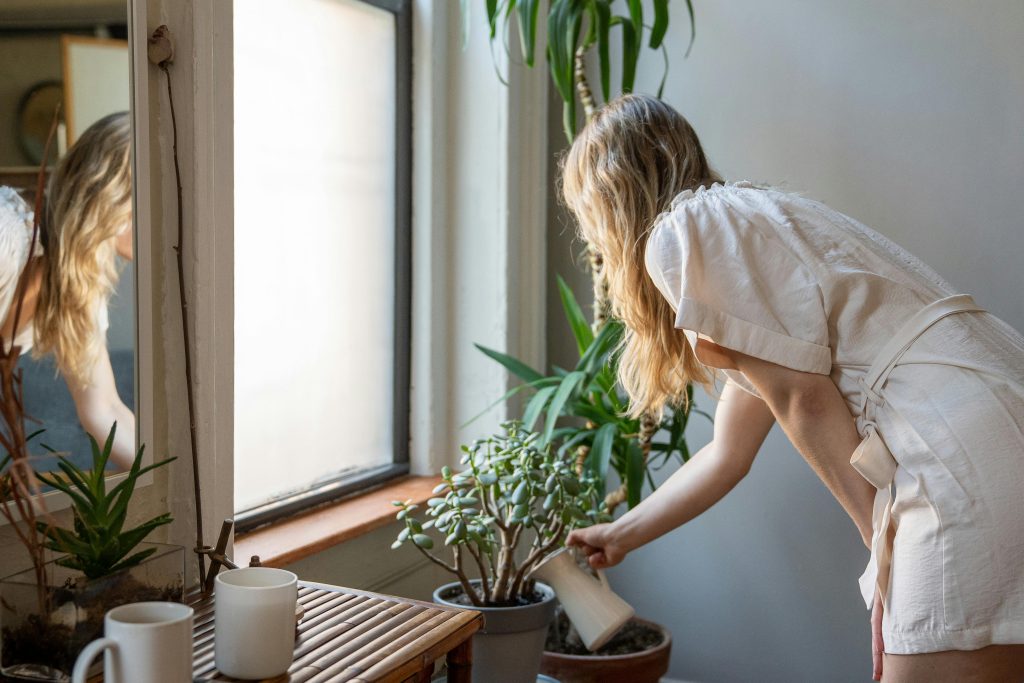
Repotting an indoor plant can feel intimidating the first few times you do it. It’s easy to worry about damaging roots, choosing the wrong pot, or accidentally shocking a healthy plant. But in reality, most houseplants eventually need more space, fresher soil, and better drainage to continue growing well indoors.
When done carefully, repotting actually helps plants thrive. Roots gain room to expand, old compacted soil gets replaced with fresh nutrients, and watering often becomes more effective afterward. The key is handling the process gently and avoiding unnecessary stress on the plant.
If your plant is root-bound, drying out too quickly, leaning heavily, or simply outgrowing its container, these steps can help you repot it smoothly without turning the experience into a disaster.
1. Know When Your Plant Actually Needs Repotting
Not every plant needs immediate repotting the moment you bring it home. In fact, repotting too often can stress plants unnecessarily.
Some common signs your plant may need a new pot include:
- Roots growing through drainage holes
- Water running straight through the soil
- Slower growth than usual
- Soil drying extremely fast
- Roots circling tightly inside the pot
- The plant becoming top-heavy or unstable
Spring and early summer are usually the best times to repot because many indoor plants are naturally entering active growth phases.
If your plant looks healthy and stable, it’s often better to leave it alone rather than repotting simply because you think you “should.”

2. Choose the Right Pot Size
One of the most common repotting mistakes is choosing a pot that’s much too large.
A giant pot might seem like it gives the plant “more room,” but excess soil can hold too much moisture around the roots, increasing the risk of overwatering and root rot.
In most cases, it’s best to move up only one or two inches larger than the current pot diameter.
Drainage holes are also extremely important. Without proper drainage, water collects at the bottom and creates unhealthy conditions for roots.
You can choose ceramic, plastic, terracotta, or decorative pots depending on your style and plant needs, but drainage should always come first.
3. Water the Plant Before Repotting
Dry roots are more fragile and difficult to work with. Watering your plant a day before repotting helps reduce stress and makes root removal easier.
Slightly moist soil usually slides out of the pot more smoothly than completely dry compacted soil.
This also helps reduce transplant shock because hydrated roots handle movement better.
However, avoid repotting immediately after heavy watering when the soil is soaking wet and messy. Slight moisture is ideal.
4. Prepare Fresh Potting Mix
Indoor plants grow best in fresh, airy soil that drains properly while still holding enough moisture.
Different plants sometimes need different mixes:
- Succulents prefer fast-draining cactus soil
- Tropical plants like chunkier airy blends
- Ferns often prefer more moisture retention
- Orchids need highly breathable bark mixes
Using old compacted soil can limit oxygen around the roots and reduce healthy growth.
If possible, gently loosen fresh potting mix before using it so it stays light instead of compressed.

5. Remove the Plant Gently
This is usually the part people fear most, but patience matters more than force.
Support the base of the plant carefully and tip the pot sideways while loosening the edges. Sometimes squeezing plastic nursery pots lightly helps release the root ball.
Avoid aggressively pulling on stems or leaves.
If roots are tightly circling the bottom, gently loosen them with your fingers. You don’t need to completely untangle every root—just encourage them to spread outward slightly instead of continuing circular growth.
Healthy roots are usually white, tan, or light-colored. Mushy black roots may indicate rot and can be trimmed away carefully with clean scissors.
6. Position the Plant Correctly in the New Pot
Before adding lots of soil, check the plant’s height placement first.
The top of the root ball should sit slightly below the rim of the new pot so there’s room for watering later.
Add fresh soil underneath if needed to raise the plant to the correct level.
Once positioned properly, fill around the sides gently with soil while lightly pressing to remove large air gaps. Avoid packing the soil down too tightly because roots still need airflow.
The goal is stability without suffocating the roots.
7. Water Thoroughly After Repotting
Once the plant is secure in its new container, water it thoroughly until excess water drains from the bottom.
This helps settle the soil around the roots and eliminates hidden air pockets.
You may notice the soil level drops slightly after watering. If needed, add a little extra soil on top afterward.
Repotted plants sometimes look slightly droopy for a few days while adjusting. Mild transplant stress is normal and usually temporary.
Avoid fertilizing immediately after repotting because freshly disturbed roots can be sensitive.
8. Give the Plant Time to Recover
After repotting, your plant may need a little recovery time before returning to normal growth.
Try to avoid:
- Harsh direct sunlight
- Overwatering
- Heavy fertilizing
- Frequent moving
- Major pruning immediately afterward
Keeping the plant in stable conditions helps reduce stress while roots settle into the fresh soil.
Some plants bounce back within days, while others may take a couple of weeks to fully adjust.
One important thing to remember is that repotting doesn’t create instant dramatic growth overnight. Sometimes the healthiest response is subtle root development happening quietly below the soil surface first.
Repotting indoor plants becomes much less stressful once you understand that most plants are surprisingly resilient when handled gently. With the right pot size, fresh soil, careful root handling, and a little patience afterward, repotting can actually refresh struggling plants and encourage healthier long-term growth. Over time, the process starts feeling far more rewarding than intimidating.