
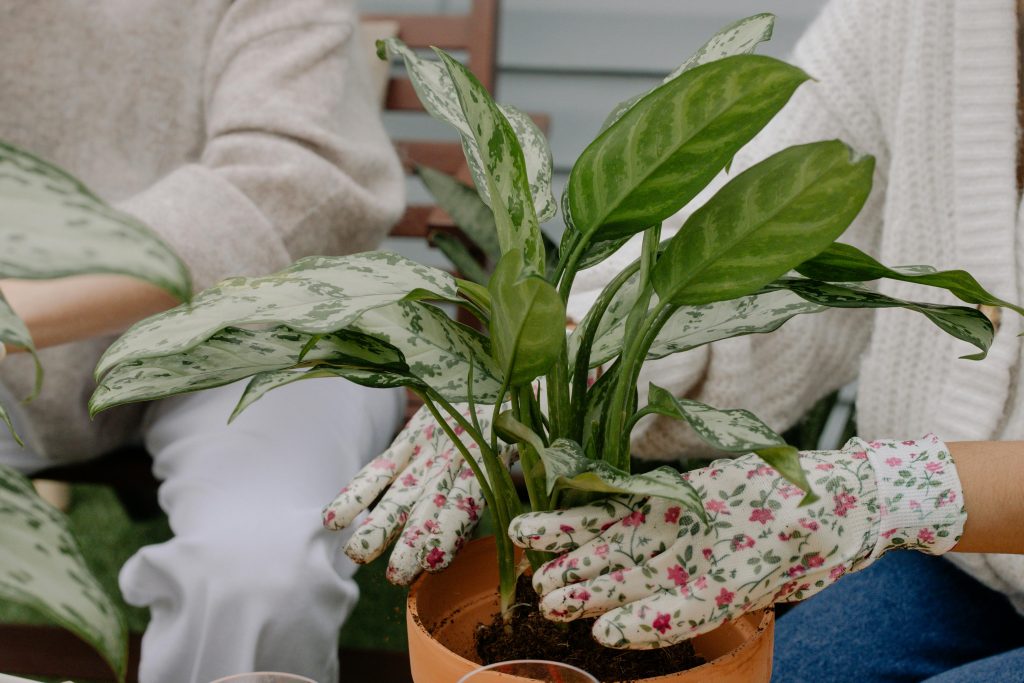
There’s something instantly calming about walking into a room filled with healthy green plants. A living plant can soften a harsh corner, make a small apartment feel more welcoming, and honestly make even the most ordinary shelf look thoughtfully styled. But some indoor plants do more than just sit there looking pretty. Certain varieties are known for helping filter common indoor pollutants while also improving the overall feel of your space.
I’ve found that the best indoor plants are the ones that balance beauty with practicality. If a plant can survive typical indoor conditions, add texture and color to a room, and help freshen the air a little, that’s a win. Whether you live in a tiny apartment, a busy family home, or work from a home office all day, these plants can make your environment feel calmer and more alive.
Here are 12 gorgeous indoor plants that are loved for both their appearance and their air-purifying qualities.
1. Snake Plant
The Snake Plant is probably one of the easiest indoor plants you can own, which explains why it shows up in so many beautifully styled homes. Its upright sword-like leaves add structure and height to a room, making it perfect for corners, entryways, or next to furniture that needs a little visual balance.
What makes this plant especially appealing is how low-maintenance it is. It tolerates low light surprisingly well, doesn’t need frequent watering, and can survive occasional neglect without dramatic consequences. That makes it ideal for beginners or busy people who forget watering schedules.
Snake plants are commonly associated with filtering indoor pollutants like formaldehyde and benzene. While no plant will completely replace proper ventilation, having greenery throughout your home can contribute to a fresher-feeling indoor environment.
I especially love using snake plants in bedrooms because they look clean and modern without overwhelming the space. They also pair beautifully with almost every decor style, from boho to Scandinavian to contemporary.
2. Peace Lily
The Peace Lily is one of those rare houseplants that manages to feel elegant without being difficult to care for. Its deep green leaves and graceful white blooms instantly brighten a room and make spaces feel more polished.
One thing people love about peace lilies is that they visibly react when thirsty. Their leaves droop dramatically, then perk back up after watering, which actually makes care easier because the plant tells you what it needs.
Peace lilies are often praised for helping remove airborne toxins found in household products and indoor materials. They also thrive in medium to low light, which makes them a great choice for apartments or offices without huge sunny windows.
This plant works beautifully on side tables, bookshelves, or bathroom counters where the humidity can help it thrive. The white flowers also add a soft decorative touch that feels calming and timeless.
The only downside is that peace lilies are toxic to pets if ingested, so they’re best placed out of reach if you have curious cats or dogs at home.
3. Areca Palm
If you want your home to feel like a relaxed tropical retreat, the Areca Palm is an excellent choice. Its feathery arching fronds create softness and movement that instantly makes interiors feel more inviting.
Unlike smaller tabletop plants, areca palms can grow fairly large indoors, making them ideal statement pieces for living rooms or open spaces. A mature palm in a woven basket can completely transform a dull corner.
These palms are also known for adding moisture to indoor air, which can make dry environments feel more comfortable. Many people place them in rooms with air conditioning or heating systems that tend to dry out the air.
Areca palms prefer bright indirect light and regular watering, but they’re generally forgiving once you find the right spot for them. Their tropical look works especially well with natural wood furniture, linen textures, and light neutral interiors.
If you love airy, vacation-inspired decor, this plant delivers that effortless look better than almost anything else.
4. Spider Plant
The Spider Plant has been popular for generations for good reason. It’s adaptable, cheerful, and incredibly easy to grow.
Its long striped leaves spill beautifully over shelves and hanging planters, adding movement and texture without taking up much space. Spider plants also produce tiny baby offshoots, which makes them fun to propagate and share with friends.
This plant is often linked with helping reduce indoor pollutants and is considered one of the safer options for homes with pets. It tolerates inconsistent watering and can survive in a range of lighting conditions, though it grows best in bright indirect light.
Spider plants are perfect for kitchens, home offices, or small apartments where you want greenery without a lot of fuss. They also look fantastic in hanging baskets because their cascading leaves create a soft relaxed look.
For anyone just getting started with houseplants, this is one of the most rewarding choices because it grows quickly and rarely causes stress.
5. Rubber Plant

The Rubber Plant is bold, dramatic, and surprisingly sophisticated-looking indoors. Its thick glossy leaves make a strong design statement while still feeling natural and calming.
Rubber plants are especially popular in modern interiors because they add depth without looking messy. Their large leaves reflect light beautifully and create a rich green focal point in a room.
Beyond aesthetics, rubber plants are associated with improving indoor air quality and are relatively easy to maintain once established. They prefer bright indirect light and moderate watering, but they can adapt to indoor conditions fairly well.
One thing I appreciate about rubber plants is how versatile they are stylistically. A tall rubber plant works equally well in minimalist apartments, cozy reading corners, or professionally designed office spaces.
If you want a plant that feels substantial and luxurious without requiring advanced plant-care skills, this is a fantastic option.
6. Boston Fern
The Boston Fern is soft, lush, and incredibly full-looking, which makes it one of the most visually satisfying indoor plants around.
Its feathery fronds bring instant freshness to shelves, plant stands, and hanging baskets. Boston ferns are often recommended for improving humidity levels indoors, especially during dry seasons when heating systems can make the air uncomfortable.
They do need a bit more moisture than some beginner-friendly plants, but the payoff is worth it. A healthy fern can make a room feel vibrant and alive in a way few plants can.
Bathrooms with indirect light are often ideal for Boston ferns because they enjoy humidity. If you place one in a dry room, occasional misting helps keep the fronds healthy and green.
Decoratively, Boston ferns work beautifully in vintage-inspired homes, cottage interiors, or cozy layered spaces filled with natural textures.
7. Aloe Vera

The Aloe Vera is one of the most practical indoor plants you can own. Not only does it look clean and sculptural, but the gel inside its leaves has long been used for soothing minor burns and skin irritation.
Aloe vera thrives in bright light and doesn’t require frequent watering, making it ideal for sunny windowsills and busy households. Its thick pointed leaves give it a modern architectural look that fits effortlessly into contemporary spaces.
This succulent is also associated with helping improve indoor air quality, especially in kitchens or rooms with household cleaning products nearby.
One of the best things about aloe vera is how beginner-friendly it is. Overwatering is usually the biggest mistake people make, so as long as you let the soil dry between waterings, it tends to stay happy.
A simple terracotta pot paired with an aloe plant instantly creates that effortless Pinterest-style aesthetic people love.
8. English Ivy
The English Ivy adds a romantic trailing look that can soften shelves, cabinets, and window areas beautifully.
Its vines create movement and texture in a way upright plants can’t, which makes it useful for layered indoor plant styling. English ivy is often associated with helping reduce airborne mold particles and improving indoor freshness.
This plant enjoys bright indirect light and moderate watering. While it can be grown in hanging baskets, I also love seeing it trail naturally across bookshelves or plant stands.
English ivy pairs especially well with cozy interiors filled with books, candles, and natural wood accents. It gives spaces that relaxed collected-over-time feeling that looks effortlessly stylish.
Because ivy can grow quickly, occasional trimming helps keep it looking tidy and full rather than wild and tangled.
9. Chinese Evergreen

The Chinese Evergreen is one of the most underrated indoor plants in my opinion. Its patterned leaves come in gorgeous shades of green, silver, pink, and red depending on the variety, making it much more visually interesting than many standard houseplants.
It’s also extremely tolerant of indoor conditions. Chinese evergreens can handle lower light environments and don’t need constant attention, which makes them ideal for offices or darker rooms.
Many people choose them for their reputation as air-purifying plants, but honestly their decorative value alone makes them worthwhile. They instantly add color and texture without needing flowers.
Because they grow relatively slowly, they stay manageable indoors and don’t overwhelm smaller spaces. Their compact shape works well on desks, console tables, or bedside stands.
If you want something easy but a little more unique-looking, this plant is a great alternative to more common beginner options.
10. Bamboo Palm
The Bamboo Palm is another excellent tropical-style plant that adds softness and height to interiors while maintaining a light airy appearance.
Unlike some larger palms, bamboo palms tend to have a more delicate look, which makes them suitable even for smaller rooms. Their slender stems and flowing fronds create a relaxed elegant atmosphere.
Bamboo palms are commonly associated with filtering indoor pollutants and adding humidity to dry indoor environments. They prefer indirect light and consistent moisture but are generally not difficult once settled into a stable spot.
I especially like bamboo palms in home offices because they create a calm environment without feeling visually heavy or distracting.
A woven basket or textured planter paired with a bamboo palm creates an instantly elevated designer look with very little effort.
11. Pothos
The Pothos is practically famous for surviving conditions that would destroy other plants. It’s incredibly forgiving, grows quickly, and looks lush even with minimal care.
Its heart-shaped trailing leaves work beautifully in hanging baskets, wall shelves, or draped across furniture. Pothos can tolerate lower light levels, though brighter indirect light encourages fuller growth and stronger coloring.
People often recommend pothos for improving indoor air quality, but one of its biggest strengths is simply how adaptable it is. It can thrive in homes where more delicate plants struggle.
Styling-wise, pothos fits almost everywhere. Modern apartments, cozy bedrooms, minimalist offices, and eclectic homes all benefit from its relaxed cascading vines.
For beginners who want fast visible growth and minimal stress, pothos is one of the best indoor plants available.
12. Dracaena
The Dracaena comes in many different varieties, but most share long elegant leaves and a sculptural appearance that works beautifully indoors.
Dracaenas are popular because they’re relatively easy to maintain while still looking dramatic and stylish. Some varieties have deep green leaves while others feature striped or multi-colored foliage that adds extra visual interest.
They’re commonly included on lists of air-purifying plants and can adapt well to indoor conditions with moderate light and careful watering.
One thing I really appreciate about dracaenas is how versatile their size range is. Smaller varieties work well on desks or shelves, while taller forms can function almost like indoor trees.
Their clean lines make them especially attractive in modern and contemporary homes where simplicity and texture matter more than excessive decoration.
Adding indoor plants to your home doesn’t have to feel overwhelming or expensive. Even one or two well-placed plants can completely change the atmosphere of a room and make it feel calmer, fresher, and more welcoming. The best part is that many of these plants are surprisingly forgiving, even if you don’t consider yourself particularly good with houseplants.
Whether you love dramatic leafy palms, compact succulents, or trailing vines that spill off shelves, there’s an air-purifying plant here that can match your style and your lifestyle. Sometimes the easiest way to make a home feel more alive is simply to bring a little nature indoors.