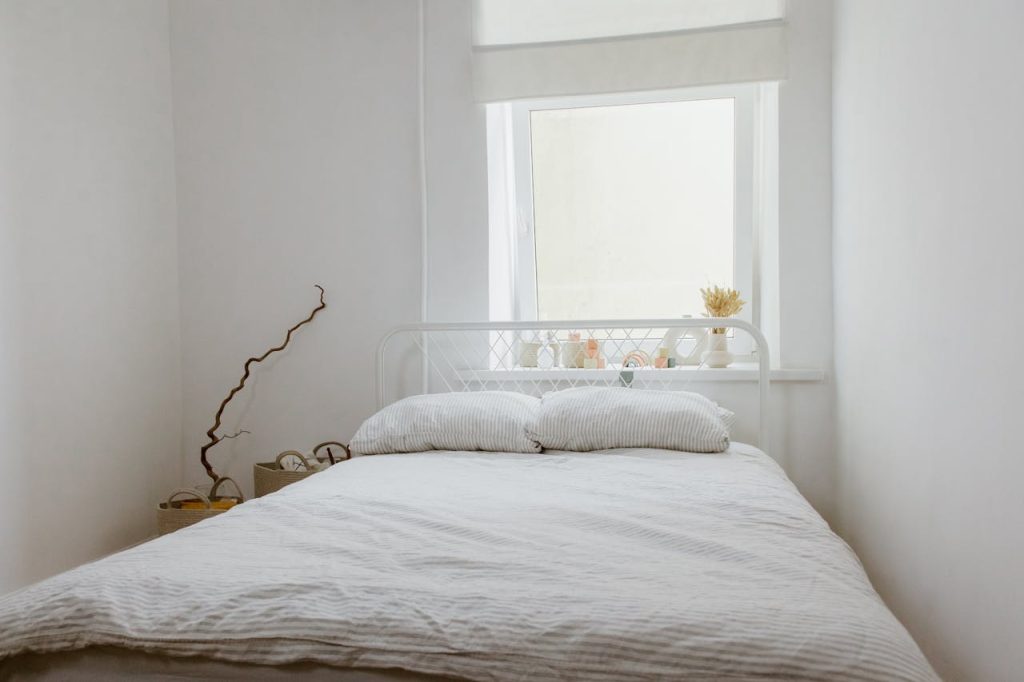
I used to have my bed pushed right up against the window. It felt cozy at first — the morning light, the breeze on warm nights, the view of the sky when I couldn’t sleep. But I kept waking up at 2 or 3 AM feeling vaguely unsettled, like something was just slightly off. It wasn’t until I went deeper into feng shui that I found out my bed placement was likely a big part of the problem.
So if you’re wondering whether it’s bad feng shui to sleep under a window — the short answer is yes. But the full answer is a lot more nuanced than that. Let me break it all down for you, including what it actually means for your sleep and energy, why it matters, and exactly what to do if moving your bed isn’t an option.
What Does Feng Shui Say About Sleeping Under a Window?
In feng shui, the bedroom is the most energetically significant room in your home. It governs your rest, your health, your relationships, and your sense of personal safety. The position of your bed within that room — especially in relation to doors and windows — has a direct impact on how your qi (life-force energy) flows while you sleep.
Windows are portals. They allow energy, light, air, and chi to move in and out freely. That’s wonderful for a living room or a kitchen. But for a sleeping space, that constant energetic movement is the problem. You need stillness and containment while you rest — not a stream of energy flowing over your head all night.
When your headboard is placed under a window, you lose what feng shui calls solid backing — the stable, grounded support that a solid wall provides. Think of it this way: a wall behind you says “you are protected, held, supported.” A window behind you says “things are uncertain, watch your back.” Your nervous system picks up on that distinction more than you might think.
Why Solid Backing Matters So Much
The concept of solid backing is one of the most foundational principles in bedroom feng shui. It ties directly into the command position — the idea that your bed should be placed where you feel the most secure, most in control, and most able to see what’s coming.
A solid wall behind your headboard provides:
- Physical support — the structural sense of having something stable at your back
- Energetic stability — no qi rushing in or out through the wall behind you while you’re most vulnerable
- Psychological safety — your subconscious registers the solidity and relaxes more deeply into sleep
When a window replaces that wall, all three of those things are compromised. And over time — night after night — that subtle lack of support accumulates. People who sleep under windows often report light, restless sleep, frequent waking, a vague sense of unease, or feeling emotionally unsettled without being able to explain why.
I experienced all of those. Once I moved my bed, the difference wasn’t dramatic overnight — but within about ten days, I was sleeping through consistently for the first time in months.
The Specific Feng Shui Problems With Window Bed Placement
Let me walk through exactly what’s happening energetically when your headboard sits under a window.
1. Unstable Chi Flow Windows are active energy zones. Even when closed, they represent movement and transition. Sleeping directly beneath one means your head — the most energetically sensitive part of your body in feng shui — is in the direct path of that flowing, shifting energy all night. Instead of your qi settling and restoring, it’s being constantly stirred.
2. Lack of Yin Energy The bedroom needs yin energy: dark, still, quiet, receptive. Windows introduce yang elements — light, movement, the energy of the outside world — into your sleep space even when the curtains are drawn. This yin-yang imbalance is one of the core reasons window bed placement disrupts rest.
3. Vulnerability During Sleep In classical feng shui and even in basic environmental psychology, sleeping with your back to a window creates a subtle but persistent feeling of vulnerability. You can’t see what’s behind you. You’re exposed. Even if you’re on the 10th floor and logically know nothing is coming through that window, the primal part of your brain doesn’t fully relax.
4. Drafts and Temperature Shifts This one is practical as much as energetic — windows are the least insulated part of any wall. Temperature fluctuations, cold drafts in winter, and heat in summer all affect sleep quality. Feng shui often aligns with common sense, and this is one of those cases where ancient wisdom and modern sleep science agree completely.
5. Light Disruption Even with blackout curtains, windows allow in subtle light changes — the shift from deep night to pre-dawn, streetlights, car headlights, the moon. Light is one of the most powerful disruptors of circadian rhythm and melatonin production. Sleeping directly under the source amplifies your exposure.
Quick Check — Does This Apply to You?
- Is your headboard touching or close to a window?
- Do you wake frequently between 2–4 AM for no obvious reason?
- Do you feel tired even after a full night’s sleep?
- Is there a draft or temperature fluctuation near your head at night?
- Do you feel vaguely anxious or unsettled in your bedroom without knowing why?
If you answered yes to three or more of these, your bed placement is worth addressing.
What If You Absolutely Cannot Move the Bed?
This is the question I get most often — and the good news is that feng shui always offers remedies. Not every bedroom has the luxury of multiple placement options. Here’s how to mitigate the effects if moving the bed isn’t possible:
Use a Solid, Tall Headboard The most important fix. A tall, solid headboard — preferably upholstered wood — creates a symbolic and energetic barrier between you and the window. It mimics the solid wall backing you’re missing. The taller and more substantial, the better. This single change makes the biggest difference.
Install Heavy, Floor-Length Curtains Thick, lined curtains that fully cover the window create a visual and energetic “wall” behind your bed. Blackout curtains serve double duty — blocking both light and the sense of energetic openness. Keep them closed at night, always.
Place Crystals on the Windowsill Black tourmaline or amethyst on the windowsill are commonly used in feng shui to stabilize and filter the energy coming through the window. They act as energetic buffers. I have a piece of black tourmaline on every windowsill in my bedroom and it’s become a non-negotiable for me.
Add a Canopy or Bed Crown A canopy over the bed creates a sense of enclosure and protection that partially compensates for the open window behind you. It cocoons the sleeping space and helps establish that contained, yin environment your body needs to rest deeply.
Keep the Window Spotlessly Clean and Sealed A dirty, drafty window amplifies negative energy flow. Keep it clean, ensure the seal is tight, and keep it closed at night whenever possible. What comes through energetically is also influenced by the condition of the portal itself.
The Best Bed Placement According to Feng Shui
Just to give you the full picture — here’s what ideal bedroom feng shui actually looks like, so you have something to work toward even if you can’t achieve it perfectly right now.
The best bed placement follows the command position principles:
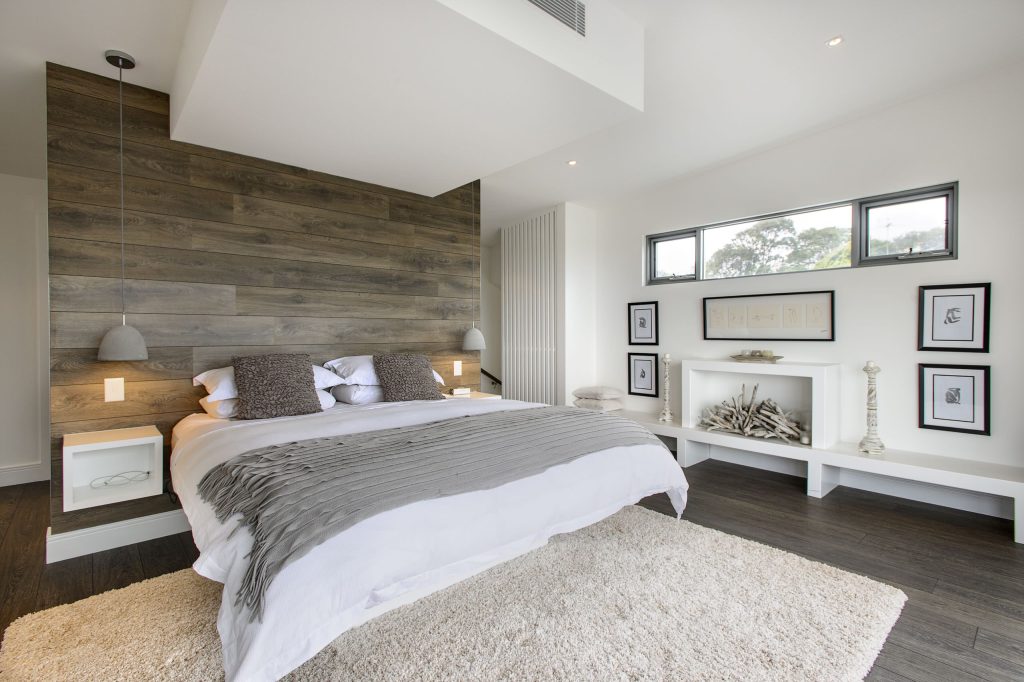
- Headboard against a solid wall with no windows, doors, or vents directly behind it
- Clear sightline to the bedroom door from the pillow, without being directly in line with it
- Space on both sides of the bed — at least 18 inches — for balanced energy flow
- Not under overhead beams or directly beneath a bathroom on the floor above
- Diagonal from the door rather than directly facing it (the coffin position)
If you can achieve even three of these five, your bedroom energy will be substantially better than most.

Does It Matter Which Direction the Window Faces?
Yes, and this is where feng shui gets more layered. In classical feng shui using the bagua energy map, the direction your window faces affects the type of energy entering your space.
- East-facing windows bring wood energy — growth, vitality, new beginnings. Active but generally positive.
- West-facing windows bring metal energy — completion, clarity, but also endings. Can feel melancholy.
- South-facing windows bring fire energy — warm, social, stimulating. Too activating for sleep.
- North-facing windows bring water energy — calm, introspective, career-linked. The most tolerable direction for a bedroom window.
If your headboard is under a south-facing window, that’s considered the most disruptive combination — fire energy flowing directly into your sleep space. North is the least problematic. But regardless of direction, a solid wall is always preferable.
My Honest Take
I want to be real with you here: feng shui isn’t a magic system where one wrong placement ruins your life. I’ve met people with imperfect bedroom setups who sleep fine. Context matters. Your overall environment, your stress levels, your constitution — all of it plays a role.
But what feng shui does is give you a framework for paying attention. For noticing that your environment has an effect on how you feel, how you rest, how you relate to the people you love. Sleeping under a window is one of those placements that — once you fix it or remediate it — you wonder how you ever tolerated it before.
If your bed is under a window and you’ve been feeling off, it’s worth experimenting. Move the bed if you can. Add the heavy curtains and the solid headboard if you can’t. Give it three weeks and pay attention to how you feel.
The bedroom is the one space in your life that should unconditionally hold you. It’s worth getting right.
Frequently Asked Questions
Is it bad feng shui to sleep with your head under a window?
Yes, it’s one of the most common feng shui bedroom mistakes. Sleeping with your headboard under a window removes the solid backing your bed needs, allows unstable chi to flow over you while you sleep, and creates a subtle but persistent sense of vulnerability that disrupts deep rest. If you can’t move your bed, use a tall solid headboard and heavy curtains as the primary remedies.
What happens if you sleep under a window in feng shui?
According to feng shui principles, sleeping under a window can lead to restless or light sleep, frequent waking, a vague sense of anxiety or unease, and over time, a feeling of lacking support in your life — in relationships, career, or health. The window disrupts the yin energy needed for restoration and exposes your most vulnerable sleeping position to active, shifting energy.
Where should a bed not be placed in feng shui?
Avoid placing your bed under a window, directly in line with the bedroom door (the coffin position), under an overhead beam, against a wall shared with a bathroom, or with only one side accessible. Each of these placements disrupts energy flow, creates instability, or introduces the wrong type of energy into your rest space.
What is the best wall to put your bed against in feng shui?
The best wall is a solid, uninterrupted wall that allows you to see the bedroom door from your pillow without being directly aligned with it. This placement gives you solid backing, energetic stability, and the sense of command and safety that feng shui considers essential for restorative sleep.
Can crystals help if your bed is under a window?
Yes — black tourmaline and amethyst placed on the windowsill are commonly used feng shui remedies to stabilize and filter the energy flowing through a window above or near your bed. They act as energetic buffers. While they don’t fully replace moving the bed, they’re a meaningful support alongside a solid headboard and heavy curtains.
Does the direction a bedroom window faces matter in feng shui?
Yes. South-facing windows bring the most disruptive fire energy into a sleep space, while north-facing windows carry calmer water energy and are the least problematic. East and west-facing windows fall in between. That said, regardless of direction, a solid wall behind your headboard is always the preferred feng shui placement over any window.
How do I fix bad feng shui if I can’t move my bed away from the window?
The four key remedies are: install a tall, solid upholstered headboard to create symbolic backing; hang heavy floor-length blackout curtains to visually and energetically close off the window; place protective crystals like black tourmaline on the windowsill; and consider adding a canopy or bed crown to create a sense of enclosure. Together, these significantly reduce the energetic impact of the window placement.