
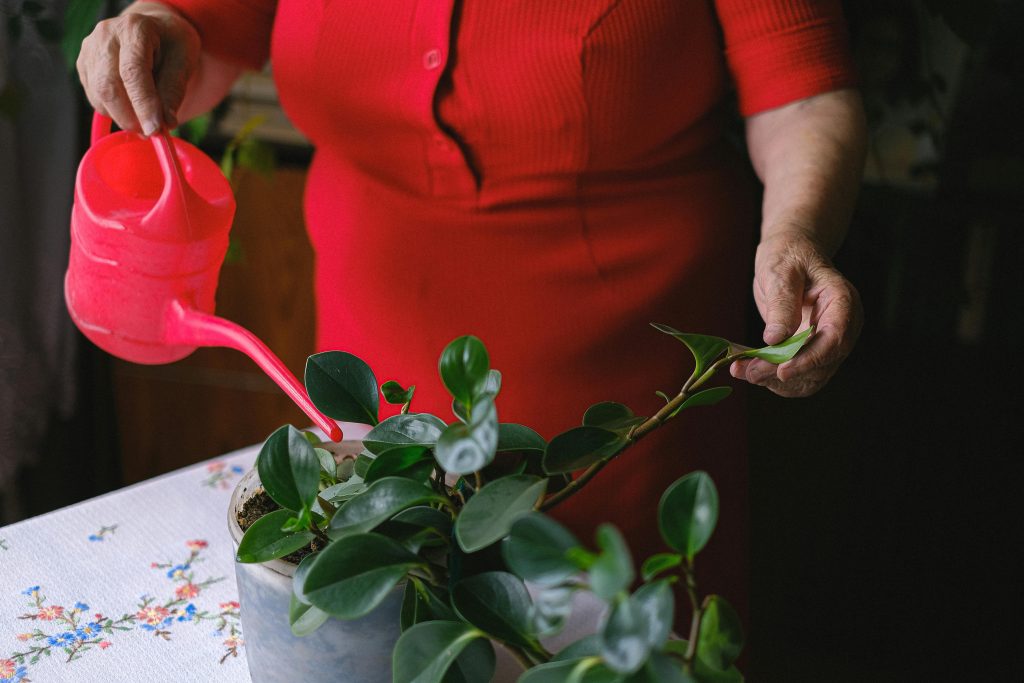
If there’s one thing that causes more indoor plant deaths than almost anything else, it’s watering mistakes. Most people assume houseplants need constant attention and frequent watering, but in reality, many indoor plants suffer because they’re loved too much, not too little.
I’ve learned over time that watering isn’t really about sticking to a rigid schedule. It’s about understanding your plant, your environment, and the subtle signs your plant gives you before things go wrong. Two plants sitting next to each other can have completely different watering needs depending on their size, pot, sunlight exposure, and even the season.
The good news is that once you understand a few basic rules, indoor plant care becomes dramatically easier. These watering habits can help plants grow healthier, avoid root rot, and stay beautiful much longer.
Here are 13 indoor plant watering rules that most people misunderstand.
1. Stop Watering on a Strict Schedule

One of the biggest mistakes beginners make is watering every plant on the same weekly schedule. Plants don’t operate according to calendar reminders. Their water needs constantly change based on temperature, humidity, sunlight, airflow, and growth cycles.
A plant sitting in bright sunlight during summer may dry out twice as fast as the same plant in winter. Smaller pots also dry much faster than larger ones. Instead of watering automatically every Saturday morning, check the soil first.
The simplest method is using your finger. Insert it about an inch or two into the soil. If it still feels moist, wait longer. If it feels dry, it’s probably time to water.
This single habit prevents a huge percentage of overwatering problems. Healthy plant care becomes much easier when you respond to the plant’s actual condition instead of blindly following a schedule.
2. Most Houseplants Prefer Deep Watering, Not Tiny Sips
Many people give their plants tiny amounts of water every few days, but this often creates weak root systems. Light surface watering encourages roots to stay near the top of the soil rather than growing deeper and stronger.
Instead, water thoroughly until excess water drains from the bottom of the pot. This helps hydrate the full root system evenly and flushes out accumulated salts from fertilizers and tap water.
Deep watering also teaches you patience. After fully watering a plant, you often won’t need to water again for several days or even weeks depending on the plant type.
Plants like Pothos, Snake Plant, and Peace Lily generally respond much better to occasional deep watering than constant shallow watering.
3. Drainage Holes Are Not Optional

Decorative pots without drainage holes may look stylish, but they create one of the most common causes of root rot indoors.
Without drainage, excess water becomes trapped at the bottom of the container where roots stay constantly wet. Over time, roots suffocate and begin to rot, even if the topsoil appears dry.
Always choose pots with proper drainage whenever possible. If you love decorative cachepots, keep the plant inside a nursery pot and place that inside the decorative container. That way you can remove it easily for watering.
Healthy roots need both moisture and oxygen. Drainage allows excess water to escape so roots can breathe properly between waterings.
This simple change can completely transform struggling plants.
4. Yellow Leaves Often Mean Too Much Water, Not Too Little
People frequently panic when leaves turn yellow and assume the plant needs more water. Ironically, yellowing is very often a sign of overwatering instead.
When roots stay soggy for too long, they stop functioning properly. The plant can no longer absorb nutrients efficiently, which leads to yellowing leaves, soft stems, and eventually decay.
Before adding more water, always check the soil moisture first. If the soil already feels wet, watering again will only worsen the problem.
Plants like Rubber Plant and Dracaena are especially sensitive to chronic overwatering.
Learning the difference between thirsty plants and drowning plants is one of the most important indoor gardening skills.
5. Light Conditions Change Everything

The amount of sunlight a plant receives directly affects how quickly it uses water. Plants in bright light photosynthesize more actively and usually dry out faster. Plants in dark corners use water much more slowly.
This is why copying someone else’s watering schedule rarely works. Your apartment, climate, windows, and lighting conditions are unique.
A Spider Plant hanging in a sunny kitchen window may need water twice as often as the same plant in a dim hallway.
Whenever seasons change or you move a plant to a new location, pay attention to how its watering needs shift too.
Indoor plant care gets much easier when you start thinking about environmental conditions rather than fixed routines.
6. Bigger Pots Stay Wet Much Longer
Large pots can be surprisingly dangerous for small plants. Many people assume giving a plant extra room automatically helps it grow faster, but oversized pots hold excess moisture for too long.
When there’s too much unused soil surrounding the roots, the soil stays wet far longer than the plant can tolerate. This creates perfect conditions for root rot.
It’s usually better to size pots gradually as plants grow rather than jumping immediately to oversized containers.
Plants like Chinese Evergreen often prefer slightly snug pots instead of huge containers full of constantly damp soil.
A pot that’s only slightly larger than the current root system is often ideal.
7. Winter Watering Should Usually Be Reduced

Many indoor plants naturally slow their growth during colder months, especially when daylight hours decrease. Because growth slows down, water usage slows too.
Continuing heavy summer watering habits through winter is one of the fastest ways to accidentally overwater plants.
During winter, many houseplants prefer slightly drier conditions and longer gaps between watering sessions. This is especially true for plants like Aloe Vera and Snake Plant.
Always adjust watering habits seasonally instead of treating plant care as identical year-round.
Even experienced plant owners sometimes forget how dramatically indoor conditions change between seasons.
8. Humidity Affects Watering More Than People Realize
Humidity plays a huge role in how quickly soil dries out. Dry indoor air caused by heaters or air conditioning can make plants lose moisture faster through their leaves.
On the other hand, naturally humid environments slow evaporation significantly.
Plants like Boston Fern and Areca Palm especially appreciate higher humidity levels.
If your home is extremely dry, you may notice soil drying much faster than expected. Grouping plants together, using pebble trays, or adding a humidifier can help stabilize moisture levels.
Understanding humidity explains why the exact same plant behaves differently in different homes.
9. Crispy Brown Tips Don’t Always Mean Underwatering

Brown leaf tips can have several causes besides underwatering. Low humidity, mineral-heavy tap water, fertilizer buildup, and inconsistent watering can all contribute.
Many people respond to brown tips by watering more frequently, which sometimes creates additional stress instead of solving the problem.
Plants like Peace Lily and Dracaena can be sensitive to chemicals and minerals found in tap water.
If brown tips appear regularly, consider flushing the soil occasionally or switching to filtered water for sensitive plants.
Diagnosing plant problems correctly matters much more than reacting emotionally to leaf damage.
10. Wilting Doesn’t Automatically Mean Dry Soil
Wilting can be confusing because both underwatered and overwatered plants may droop dramatically.
A dehydrated plant wilts because it lacks water pressure inside its cells. An overwatered plant wilts because damaged roots can no longer absorb water properly.
That’s why checking soil moisture before reacting is so important.
A wilted Peace Lily in dry soil probably needs water immediately. But a wilted plant sitting in soggy soil likely needs less water and better drainage instead.
Learning to pause and investigate before watering can save countless plants.
11. Terracotta Pots Dry Faster Than Plastic Pots
Pot material affects watering far more than many people realize. Terracotta is porous, meaning it absorbs and releases moisture through the pot walls. This helps soil dry faster.
Plastic and glazed ceramic pots retain moisture much longer because they’re less breathable.
That means a plant in terracotta may need watering significantly more often than the same plant in plastic.
Succulents and cacti often thrive in terracotta because it reduces the risk of staying wet too long. Plants like Aloe Vera especially benefit from this extra airflow around the roots.
Paying attention to pot material helps explain why watering schedules can vary so much.
12. Morning Watering Is Usually Best
Watering early in the day gives plants time to absorb moisture before cooler nighttime temperatures arrive.
Morning watering also allows excess moisture on leaves or soil surfaces to evaporate more efficiently, reducing the risk of fungal issues.
While indoor plants are generally more forgiving than outdoor gardens, consistent morning watering can still support healthier growth patterns.
It’s also easier to observe your plants during daylight hours and notice whether they respond positively after watering.
Creating small routines like this often improves plant care naturally without making it feel complicated.
13. Healthy Roots Matter More Than Constant Moisture

The ultimate goal of watering isn’t keeping soil constantly wet. It’s supporting healthy roots.
Roots need access to both water and oxygen. Constantly saturated soil deprives them of airflow and eventually weakens the entire plant.
Strong healthy roots create stronger leaves, better growth, improved resilience, and fewer pest problems overall.
Most thriving indoor plants actually spend part of their time drying slightly between waterings. That natural cycle encourages healthier root development and prevents many common plant diseases.
Once you stop focusing on “watering often” and start focusing on “watering correctly,” indoor plant care becomes far less stressful.
The truth is that most houseplants are much more adaptable than people think. They usually don’t need perfect care. They just need consistent habits and fewer watering mistakes. Paying attention to soil moisture, light, drainage, and seasonal changes will improve your plant health far more than any complicated care routine ever could.
A little observation goes a long way. Often the healthiest indoor gardeners aren’t the people constantly fussing over their plants — they’re the ones who understand when to leave them alone.