
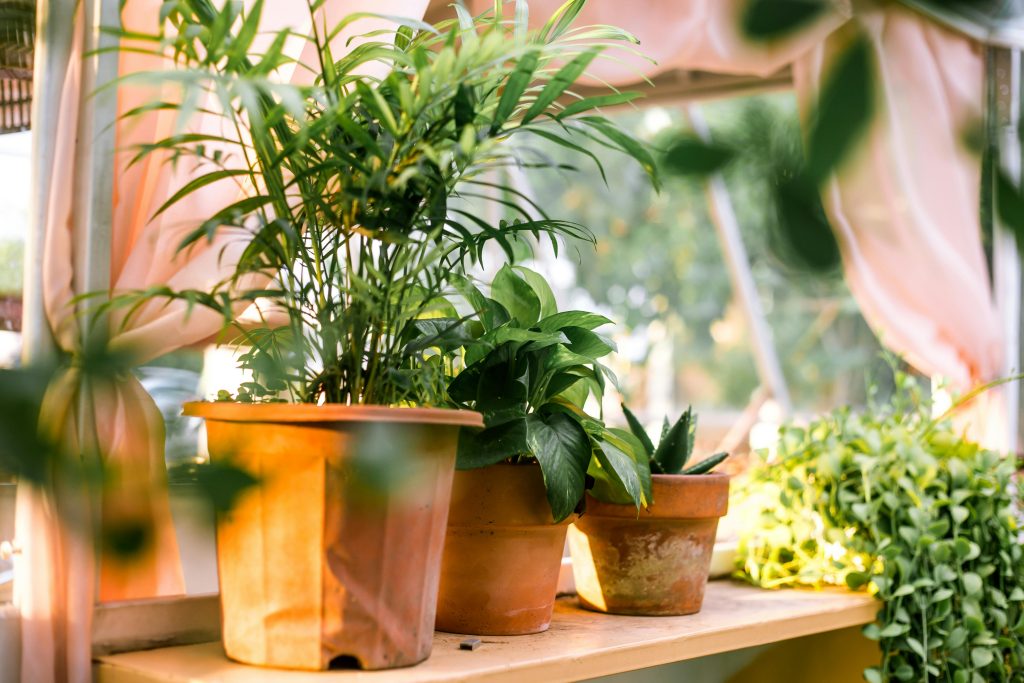
Bringing plants into your home sounds simple… until your first few mysteriously wilt, turn brown, or collapse overnight. I’ve been there. The good news is that not all houseplants are dramatic. Some are surprisingly forgiving and can handle missed waterings, low light, and beginner mistakes without falling apart.
If you’ve always wanted a greener home but don’t consider yourself a “plant person” yet, these indoor plants are the perfect place to start. They’re beautiful, low-maintenance, and resilient enough to survive real life. Whether you live in a tiny apartment, a busy household, or just forget to water things occasionally, these plants can thrive with very little effort.
1. Snake Plant
The snake plant is probably the closest thing to an indestructible houseplant. Its tall, architectural leaves instantly make a room feel cleaner and more modern, and it survives conditions that would destroy many other plants.
What makes it beginner-friendly is how little attention it needs. Snake plants tolerate low light, bright light, dry air, and occasional neglect. In fact, overwatering is usually the only thing that harms them. If you forget to water for two or even three weeks, the plant will likely be completely fine.
I especially love snake plants for bedrooms and offices because they look polished without demanding constant care. They also grow slowly, which means less repotting and maintenance over time.
To keep yours healthy:
- Water only when the soil feels completely dry
- Use a pot with drainage holes
- Avoid letting the roots sit in water
- Place near indirect sunlight for faster growth
The best part is that snake plants fit almost any decor style, from minimalist spaces to cozy boho homes.

2. Pothos
Pothos is the plant I recommend to almost every beginner because it grows quickly and gives visible results fast. Even if you don’t know much about plants, pothos makes you feel successful.
Its trailing vines create a soft, lush look that works beautifully on shelves, desks, or hanging planters. One of the reasons people love pothos is how adaptable it is. It tolerates low light surprisingly well, although brighter indirect light helps it grow fuller and faster.
Another advantage is that pothos gives clear signals when it needs water. The leaves droop slightly, and after watering, they perk back up within hours. That makes it much easier to learn plant care without guessing constantly.
Pothos also propagates easily in water, so one plant can eventually become many plants around your home.
Helpful care tips:
- Water when the top inch of soil feels dry
- Trim vines occasionally for fuller growth
- Keep out of harsh direct afternoon sun
- Rotate the plant for even growth
If you want a low-stress plant that still looks dramatic and full, pothos is hard to beat.
3. ZZ Plant
The ZZ plant almost seems fake because its glossy leaves stay perfect with minimal effort. It’s one of the toughest indoor plants available and can survive surprisingly long periods without water.
This plant is ideal for people with busy schedules or darker rooms. It handles low-light conditions extremely well and doesn’t mind occasional neglect. The thick rhizomes under the soil store water efficiently, which is why the plant can go weeks between waterings.
One reason beginners love the ZZ plant is that it doesn’t constantly shed leaves or create mess. It simply stays neat and attractive year-round.
The main mistake people make is watering too frequently. Since the plant stores moisture naturally, it’s better to underwater than overwater.
For best results:
- Water every 2–4 weeks depending on humidity
- Place in low to medium indirect light
- Dust leaves occasionally to keep them shiny
- Avoid soggy soil
The sleek, sculptural shape also makes the ZZ plant perfect for modern interiors.

4. Spider Plant
Spider plants have been popular for decades for one simple reason: they’re incredibly easy to grow. Their arching green-and-white leaves instantly brighten a room, and they adapt well to many indoor conditions.
One of the most fun things about spider plants is that mature plants produce baby offshoots called “pups.” You can leave them attached for a fuller look or propagate them into new plants.
Spider plants are forgiving if you occasionally miss watering, though they prefer lightly moist soil overall. They also tolerate average household humidity well, making them ideal for beginners.
These plants look especially beautiful in hanging baskets where their leaves and baby plants can cascade naturally.
Basic care includes:
- Bright indirect light works best
- Water when the top soil starts drying
- Trim brown tips if they appear
- Repot occasionally as roots expand
Spider plants grow fast enough to feel rewarding but are still easy to manage.
5. Peace Lily
If you want something elegant and beginner-friendly, peace lilies are a wonderful choice. Their glossy leaves and soft white blooms give homes a calm, spa-like feel.
What makes peace lilies especially beginner-friendly is how dramatic they are about thirst. When they need water, the leaves droop noticeably. Once watered, they recover quickly, almost like magic.
They tolerate lower light better than many flowering plants, although brighter indirect light encourages more blooms. Peace lilies also help soften darker corners of a room with their lush foliage.
A few things to remember:
- Keep soil lightly moist but not soaked
- Avoid harsh direct sunlight
- Wipe leaves occasionally to remove dust
- Use filtered water if leaf tips brown easily
Even without flowers, the foliage alone makes peace lilies worth having indoors.
6. Cast Iron Plant
The name says everything. Cast iron plants are famous for surviving conditions that would stress most houseplants. Low light, inconsistent watering, temperature changes — this plant handles them all remarkably well.
Its deep green leaves grow slowly but steadily, creating a calm and classic look indoors. If you have a dim apartment or an office with limited natural light, this plant is an excellent option.
One reason experienced plant owners still love cast iron plants is that they stay attractive without much maintenance. There’s no constant pruning, no complicated humidity needs, and no dramatic reactions to small mistakes.
Care is refreshingly simple:
- Water when soil is mostly dry
- Keep in low to medium indirect light
- Avoid overwatering
- Fertilize lightly during growing season
This is the kind of plant you can quietly enjoy for years.
7. Aloe Vera
Aloe vera is both practical and easy to care for. Its thick, spiky leaves store water efficiently, making it highly drought-tolerant and beginner-friendly.
Because it’s technically a succulent, aloe prefers to dry out fully between waterings. That makes it ideal for people who travel often or forget regular watering schedules.
Many people also keep aloe for its soothing gel, which is commonly used for minor burns and skin irritation. Beyond its usefulness, aloe adds a clean, modern look to kitchens, desks, and sunny windowsills.
To keep aloe happy:
- Place near bright sunlight
- Use cactus or succulent soil
- Water deeply but infrequently
- Avoid letting water sit in the center leaves
If you tend to overcare for plants, aloe teaches patience quickly.

8. Chinese Evergreen
Chinese evergreens are some of the easiest foliage plants to grow indoors, and many varieties have beautiful patterns with silver, pink, or red tones.
They tolerate lower light extremely well and continue looking full even with minimal care. Unlike fussier tropical plants, Chinese evergreens adapt well to average indoor environments without requiring high humidity.
Their leaves stay attractive year-round, making them great for adding color and texture to living spaces.
Simple care guidelines:
- Water when topsoil begins drying
- Avoid cold drafts
- Keep in indirect light
- Remove yellow leaves occasionally
These plants are especially great if you want something decorative without needing advanced plant knowledge.
9. Rubber Plant
Rubber plants are ideal for beginners who want something larger and more statement-making. Their broad, glossy leaves instantly create a rich, designer-style look indoors.
Although they appear high-maintenance, rubber plants are actually very manageable once you understand their basic needs. They like bright indirect light and moderate watering but don’t require constant attention.
One thing I appreciate about rubber plants is that they grow steadily without becoming chaotic or messy. With occasional pruning, they maintain a beautiful upright shape.
For healthy growth:
- Let the top layer of soil dry between waterings
- Place near bright filtered light
- Rotate occasionally for even growth
- Clean leaves to maintain shine
A healthy rubber plant can become a stunning focal point in your home over time.
10. Jade Plant
Jade plants are often passed down for years because they’re long-living, resilient, and surprisingly easy to care for. Their thick stems and rounded leaves give them a miniature tree-like appearance that feels timeless.
Like other succulents, jade plants prefer drying out between waterings. They thrive in bright light and generally don’t need much intervention from you.
One reason beginners enjoy jade plants is that they grow slowly and predictably. They rarely create surprises, making them ideal for building confidence with plant care.
Helpful tips include:
- Place in bright indirect or direct morning light
- Water only when soil is fully dry
- Use well-draining soil
- Avoid excessive humidity
With time, jade plants develop thick trunks and become even more beautiful.

Starting with easy indoor plants can completely change how you feel about plant care. Instead of stressing over every yellow leaf, you get to enjoy the calming, cozy atmosphere plants bring into your home.
The best beginner plants are the ones that forgive mistakes while still making your space feel alive and inviting. Whether you choose a trailing pothos, a sculptural snake plant, or a sturdy ZZ plant, you really can create a thriving indoor garden without having a perfect green thumb.
Sometimes all it takes is one successful plant to turn someone into a true plant lover.